
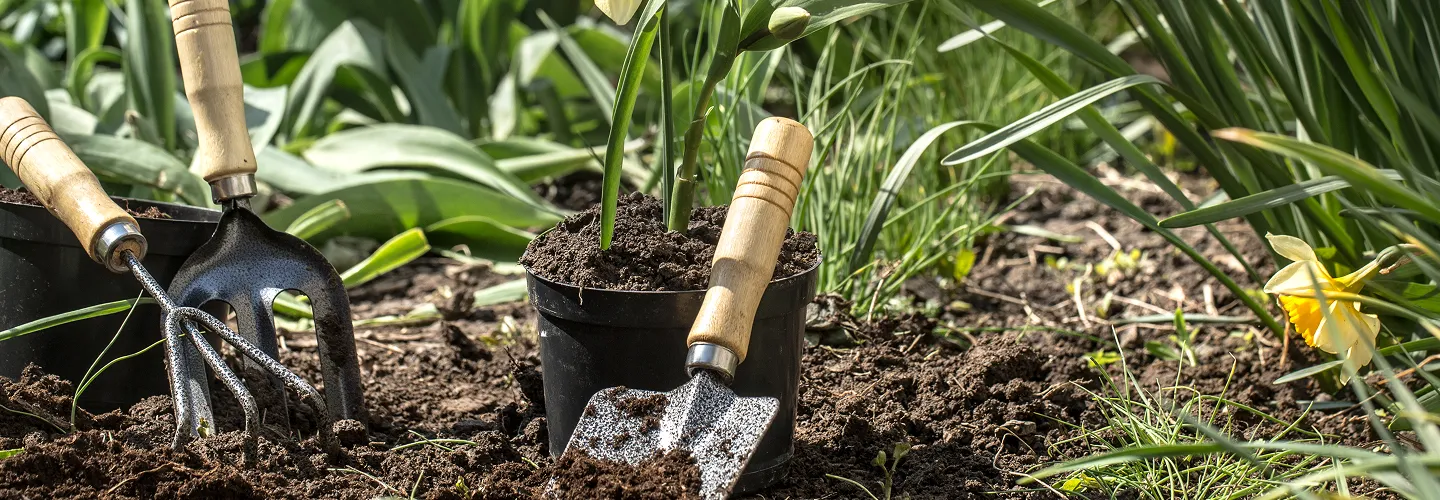
Somers Dethatching Lawn Services
Choose our dethatching lawn services for a healthier, greener yard—our experienced team removes built-up thatch to improve soil health, boost grass growth, and enhance your lawn’s overall appearance.
Get a Free QuoteOur Somers Landscaping & Yard Care Services
When to Schedule Dethatching Lawn in Somers, Connecticut – Seasonal Guide
In Somers, Connecticut, the best time to schedule lawn dethatching is typically in early spring or early fall, when grass is actively growing and can recover quickly. The local climate, with its cold winters and humid summers, means that dethatching too early or late in the season can stress your lawn. For neighborhoods near Shenipsit Lake or around the Somers Center Historic District, it's important to consider the last frost date—usually mid-April—before starting any dethatching work. Waiting until after the soil has warmed up ensures optimal results and minimizes the risk of damaging tender new growth.
Somers’s landscape features a mix of shaded and sunny yards, with varying soil types from sandy loam to heavier clay. Properties near the Scantic River or along Hall Hill Road may experience higher moisture levels, increasing the risk of thatch buildup. Conversely, areas prone to summer droughts, like those near the Massachusetts border, require careful timing to avoid additional stress on the turf. For more information on local environmental guidelines, visit the Town of Sudbury’s resource page.
Local Factors to Consider for Dethatching Lawn in Somers
- Tree density and shade coverage, especially in neighborhoods with mature maples and oaks
- Soil type and drainage, which can vary between the Somersville and Hall Hill areas
- Average precipitation and risk of late spring or early fall droughts
- Terrain slope, particularly for properties on or near Bald Mountain
- Municipal restrictions or recommendations regarding lawn care and water usage
Benefits of Dethatching Lawn in Somers
Improved Lawn Health
Enhanced Grass Growth
Increased Water Absorption
Reduced Pest and Disease Risk
Boosted Curb Appeal
Professional Landscaping Expertise
Somers Dethatching Lawn Types

Cool-Season Grass Dethatching
-
Warm-Season Grass Dethatching
-
Residential Lawn Dethatching
-
Commercial Lawn Dethatching
-
Sports Field Dethatching
-
Golf Course Dethatching
-
Organic Lawn Dethatching
Our Dethatching Lawn Process
Lawn Evaluation
Thatch Depth Measurement
Dethatching Equipment Setup
Thatch Removal
Cleanup and Disposal
Why Choose Somers Landscape Services
-
Somers Homeowners Trust Us
-
Expert Lawn Maintenance
-
Reliable Seasonal Cleanup
-
Competitive Pricing
-
Professional Team
-
Satisfaction Guarantee
-
Personalized Service
Dethatching Lawn Practices for Somers’s Glacial Till and Drainage Patterns
Somers’s predominant soils, including Paxton and Charlton fine sandy loams, are characterized by glacial till, moderate to high stone content, and variable drainage. These soils often exhibit compaction and a pH range of 5.5-6.5, which can contribute to excessive thatch buildup and poor turf health. Dethatching is most effective when soil moisture is moderate and the ground is not saturated, as heavy equipment can cause rutting in poorly drained areas. For optimal results, dethatching depth should not exceed 0.5 inches to avoid damaging grass crowns. Soil testing through UConn Extension is recommended to determine amendment needs. Key practices include:
- Dethatch every 2-3 years for compacted or poorly drained sites
- Avoid dethatching when soil is waterlogged (seasonal high water table at 12-18 inches)
- Incorporate compost at 2-3 inches depth post-dethatching for soil health
- Maintain a minimum 25-foot buffer from wetlands and watercourses
Municipal Coordination: Yard Waste Collection and Dethatching Debris in Somers
Proper disposal of dethatching debris is regulated by the Town of Somers. Yard waste, including thatch and grass clippings, is collected weekly on Thursdays from April through November. Residents must use biodegradable paper bags or reusable containers (32-gallon maximum); plastic bags and branches over 4 inches in diameter are prohibited. Debris should be placed curbside by 7:00 AM on collection day. For large volumes, the town transfer station accepts yard waste during posted hours. Compliance with these procedures prevents stormwater violations under the Clean Water Act and the town’s MS4 permit. For questions on collection schedules or disposal locations:
Somers Department of Public Works
600 Main Street, Somers, CT 06071
Phone: (860) 763-8238
Official Website: Somers Department of Public Works
Environmental Compliance: Wetland Buffers and Stormwater Protection in Somers
Dethatching activities near Somers’s wetlands, streams, and conservation areas must comply with local and state environmental regulations. The Connecticut Environmental Protection Act and the town’s wetland ordinance require a 25-foot no-disturbance buffer from delineated wetlands and watercourses. Clippings and dethatching debris must not be deposited in storm drains or within buffer zones, as this can lead to nutrient runoff and water quality violations. The town’s MS4 permit, administered under EPA Region 1, prohibits discharge of organic debris into municipal stormwater systems. For properties adjacent to protected areas, coordinate with:
Somers Conservation Commission
600 Main Street, Somers, CT 06071
Phone: (860) 763-8220
Official Website: Somers Conservation Commission
Seasonal Timing and Equipment Standards for Dethatching in Somers’s Climate Zone
Somers is located in USDA Hardiness Zone 6a, with optimal dethatching windows in late April to mid-May and again from late August to mid-September, when cool-season grasses are actively growing and soil temperatures are 50-65°F. Equipment operation is regulated by local noise ordinances:
- Monday-Friday: 7:00 AM - 7:00 PM
- Saturday: 8:00 AM - 6:00 PM
- Sunday and holidays: Prohibited Operators must use commercial-grade dethatchers with blade depth set to 0.25-0.5 inches. Safety requirements include ANSI Z87.1 safety glasses, hearing protection for noise above 85 dB, and steel-toed boots. For weather updates and soil temperature trends, consult the National Weather Service Boston/Norton office. For questions on equipment standards or noise compliance:
Somers Building Department
600 Main Street, Somers, CT 06071
Phone: (860) 763-8215
Official Website: Somers Building Department
What Neighborhoods Do We Serve Throughout Somers, CT?
- Somers Center: Features mature residential lots with Paxton soils, moderate drainage, and frequent thatch accumulation due to dense turf and shade from established trees.
- Somersville: Historic area with variable lot sizes, older infrastructure, and compacted soils requiring careful dethatching to avoid damaging shallow-rooted turf.
- Hall Hill Road Corridor: Large properties with sloped terrain and Charlton soils, where runoff management and buffer compliance are critical during dethatching.
- Gulf Road Area: Proximity to wetlands and conservation lands necessitates strict adherence to 25-foot buffer zones and debris containment.
- Stafford Road Vicinity: Newer developments with improved drainage but potential for construction fill soils, requiring soil testing and tailored dethatching schedules.
- Mountain Road District: Elevated sites with rocky soils and limited topsoil, where dethatching must be combined with soil amendment for turf recovery.
- Bald Mountain Area: Rural lots with forest edges, higher organic matter, and increased risk of debris entering natural watercourses, demanding extra environmental precautions.